
Summary
Hermes Agent, developed by Nous Research, is not just an AI assistant. It's aself-evolving AI agent with skill-based self-improvement, persistent memory, and multi-platform support.
Hermes Agent Memory Complete Comparison 2026: Built-in vs Honcho vs Mem0 vs Hindsight (All 9 Providers)
"Wondering which memory solution — built-in, Honcho, Mem0, Hindsight, or another — your AI agent should use?"
What You'll Learn
- A full comparison of Hermes Agent's 9 memory providers
- How to choose the right memory system for your use case
- The differences between self-modeling, long-term memory, and knowledge graphs
- Actual setup steps and pricing
Hermes Agent, developed by Nous Research, is not just an AI assistant. It's aself-evolving AI agent with skill-based self-improvement, persistent memory, and multi-platform support.
And one of Hermes's biggest strengths is its flexible memory system that can plug in 9 external memory providers. In this article, we thoroughly compare all providers and show you the best choice for your needs.
Bottom Line First: Which Should You Choose?
| Goal | Best provider | Reason |
|---|---|---|
| Self-understanding and self-modeling (thought patterns, tendencies) | Honcho | Automatically models patterns and thinking styles with dialectic reasoning |
| Fact-based long-term memory | Mem0 | Auto-extraction, compression, long-term retention. Accuracy improved in latest updates |
| Knowledge graph + high-precision search | Hindsight | Entity resolution + reflect synthesis. The choice if accuracy matters most |
| Fully local, zero dependencies | Holographic | SQLite only. HRR algebra + trust scores |
| Human-editable knowledge system | ByteRover | Markdown hierarchical tree. Best readability and editability |
| Just want to start quickly | Honcho | Minutes with hermes memory setup. Officially recommended |
What Is Hermes Agent's Memory System?
Hermes Agent memory has a two-layer structure:
Built-in Memory (Always Active)
| File | Purpose | Char limit |
|---|---|---|
| MEMORY.md | Agent personal notes (environment settings, workflows, lessons learned) | 2,200 chars |
| USER.md | User profile (preferences, communication style) | 1,375 chars |
# Location
~/.hermes/memories/MEMORY.md
~/.hermes/memories/USER.md
Built-in memory is always active. To maintain prompt caching, it's injected into the system prompt as a frozen snapshot at session start.
External Memory Providers (Addable)
On top of built-in memory, you can plug in 8 external providers. Onlyone can be active at a time, used alongside built-in memory.
hermes memory setup      # interactive selection
hermes memory status     # check status
hermes memory off        # disable
Full Comparison of All 9 Providers
Comparison Table
| Service | Rating | Price | Speed | Support | Features | Best for |
|---|---|---|---|---|---|---|
| Honcho ★Recommended | ★ 5.0 | Paid (cloud) / Free (self-hosted) | ★★★★★ | ★★★★★ | Dialectic reasoning, self-modeling, background inference, 5 tools | Self-understanding and personalization first |
| OpenViking | ★ 4.5 | Free (OSS) | ★★★★☆ | ★★★☆☆ | Filesystem hierarchy, progressive loading, auto-extraction | Self-hosted knowledge management |
| Mem0 | ★ 4.5 | Free/Paid | ★★★★☆ | ★★★★☆ | Server-side LLM extraction, OSS mode, reranking | Fact-based long-term memory |
| Hindsight | ★ 4.5 | Free/Paid | ★★★★☆ | ★★★☆☆ | Knowledge graph, reflect synthesis, entity resolution | Accuracy first |
| Holographic | ★ 4.0 | Free | ★★★★★ | ★★☆☆☆ | Local SQLite, HRR algebra, trust scores, zero dependencies | Fully local operation |
| RetainDB | ★ 3.5 | $20/month | ★★★★☆ | ★★★☆☆ | Hybrid search, delta compression, 7 memory types | Existing RetainDB users |
| ByteRover | ★ 4.0 | Free/Paid | ★★★★☆ | ★★★☆☆ | Markdown hierarchy tree, pre-compression extraction, CLI | Readability and editability first |
| Supermemory | ★ 4.0 | Paid | ★★★★☆ | ★★★☆☆ | Context fences, session graph, multi-container | Semantic search |
| Memori | ★ 3.5 | Free/Paid | ★★★☆☆ | ★★★☆☆ | Tool-aware memory, structured recall | Structured project management |
Detailed Provider Breakdown
Honcho — the King of Self-Modeling (Recommended)
The most deeply integrated memory provider for Hermes Agent. Rather than just storing facts, it automatically models the user's/agent's thought patterns and behavioral tendencies with dialectic reasoning.
Main features:
- Runs "dreaming" (asynchronous inference) in the background
- Self-representation and self-observation (observeMe)
- 3 config knobs to independently control cost and depth
- Two-layer session context injection (base layer + dialectic complement)
Tools (5):
honcho_profile / honcho_search / honcho_context / honcho_reasoning / honcho_conclude
Setup:
hermes memory setup
# → Select Honcho → API key or self-host config
Self-hosted config example:
{
  "baseUrl": "http://localhost:8000",
  "hosts": {
    "hermes": {
      "enabled": true,
      "aiPeer": "hermes",
      "peerName": "your-name",
      "workspace": "hermes"
    }
  }
}
Multi-layer context injection:
contextCadence— base layer update frequency (API calls)dialecticCadence— dialectic LLM firing frequency (1–5 recommended)dialecticDepth— number of .chat() passes (1–3)
Multi-peer setup: Multiple AI peers (profiles) coexist in one workspace. A coding profile builds a code-oriented self-model; a writing profile builds an editing-oriented self-model.
Workspace separation example:
{
  "hosts": {
    "hermes": {
      "aiPeer": "default",
      "workspace": "hermes"
    },
    "hermes_affiliate": {
      "aiPeer": "affiliate",
      "workspace": "affiliate"
    }
  }
}
Mem0 — Automated Fact Extraction
Automatically extracts, compresses, and stores important facts and preferences from conversations. A major April 2026 update introduced single-pass hierarchical extraction + multi-signal search, greatly improving token efficiency and accuracy.
Tools (5):
mem0_list / mem0_search / mem0_add / mem0_update / mem0_delete
Setup:
hermes memory setup    # → Select Mem0
# or manually:
hermes config set memory.provider mem0
echo "MEM0_API_KEY=<YOUR_MEM0_API_KEY>" >> ~/.hermes/.env
OSS mode support:
- LLM: openai, ollama
- Embedder: openai, ollama
- Vector Store: qdrant, pgvector
Hindsight — High-Precision Search with Knowledge Graphs
The accuracy-first provider with the top score on LongMemEval. Knowledge graph + entity resolution + multi-strategy search, and cross-memory synthesis via hindsight_reflect is a unique feature.
Tools (3):
hindsight_retain / hindsight_recall / hindsight_reflect
Setup:
hermes memory setup    # → Select Hindsight
echo "HINDSIGHT_API_KEY=<YOUR_HINDSIGHT_API_KEY>" >> ~/.hermes/.env
Holographic — Zero-Dependency Local Memory
The ultimate lightweight provider running on SQLite alone. NumPy is optional to enable HRR algebra. FTS5 full-text search + trust scoring + configurable queries, all local.
Tools (2):
fact_store (9 actions) / fact_feedback
ByteRover — Readability First
Stores memories as a Markdown hierarchical tree. Readable by both humans and agents. Pre-compression extraction preserves key insights before context compression.
Tools (3):
brv_query / brv_curate / brv_status
Profile Separation (Important)
Each memory provider isolates data per profile:
- Local storage types (Holographic, ByteRover):
$HERMES_HOME/paths differ per profile - Config-file types (Honcho, Mem0, Hindsight, Supermemory): config saved under
$HERMES_HOME/ - Cloud types (RetainDB): profile-scoped project names auto-derived
Setup Steps Summary
# 1. Install Hermes Agent
curl -fsSL https://hermes-agent.nousresearch.com/install.sh | bash

# 2. Initial setup
hermes setup --portal

# 3. Choose a memory provider
hermes memory setup
# → Choose from Honcho / Mem0 / Hindsight etc.

# 4. Check status
hermes memory status

# 5. Try it out
hermes chat -q "Remember things about me"
# → Honcho automatically remembers and learns

# 6. Isolate with another profile
hermes profile create work --clone
# → Independent memory in a separate workspace
Questions Readers Ask
Q: Can I use multiple providers at once? A: No. Only one external provider can be active at a time. Built-in memory is always used alongside.
Q: What about migrating between providers? A: No automatic migration currently exists. You need to move data manually.
Q: What are the system requirements for self-hosting Honcho? A: Docker Compose + PostgreSQL + Redis. Runs with 2GB RAM at minimum.
Q: What are the memory char limits? A: Built-in memory: 2,200 chars (MEMORY.md) + 1,375 chars (USER.md). External providers have no limit.
Summary
| Your priority | Provider to choose |
|---|---|
| Self-understanding and personalization | Honcho |
| Fact-based long-term memory | Mem0 |
| Accuracy first | Hindsight |
| Fully local, zero dependencies | Holographic |
| Readability and editability | ByteRover |
| Just want to start quickly | Honcho (officially recommended) |
The strongest combo: Honcho + Obsidian
- Build a dynamic self-model with Honcho
- Manage an explicit knowledge system with Obsidian (file-based)
- Humans can review and edit the content
Start by running hermes memory setup and choosing Honcho — it only takes a few minutes!
Recommended Reading
- Loop Library Complete Guide: 70 Copy-Paste AI Agent Loops
- scroll-world Complete Guide: The Revolutionary Agent Skill That Auto-Generates Scrolling 3D Worlds
- Blender MCP with Hermes Agent Complete Guide
- How to Build AI Agents: "Loops" vs "Graphs" Explained
- Tencent Hyra-1.0 Complete Guide: The Self-Improving AI Agent Automating Research and Engineering
Related reading
Share this article
Related articles
Jun 22, 2026
AI Coding Agent Complete Comparison 2026: Cursor vs Claude Code vs Codex vs Hermes vs Fugu

Aug 14, 2026
Hermes Agent Bot Mode Complete Guide 2026: Turn Your AI Agents into a Team of Named Bots with Roles, Models, Memory, and Avatars
Jun 29, 2026
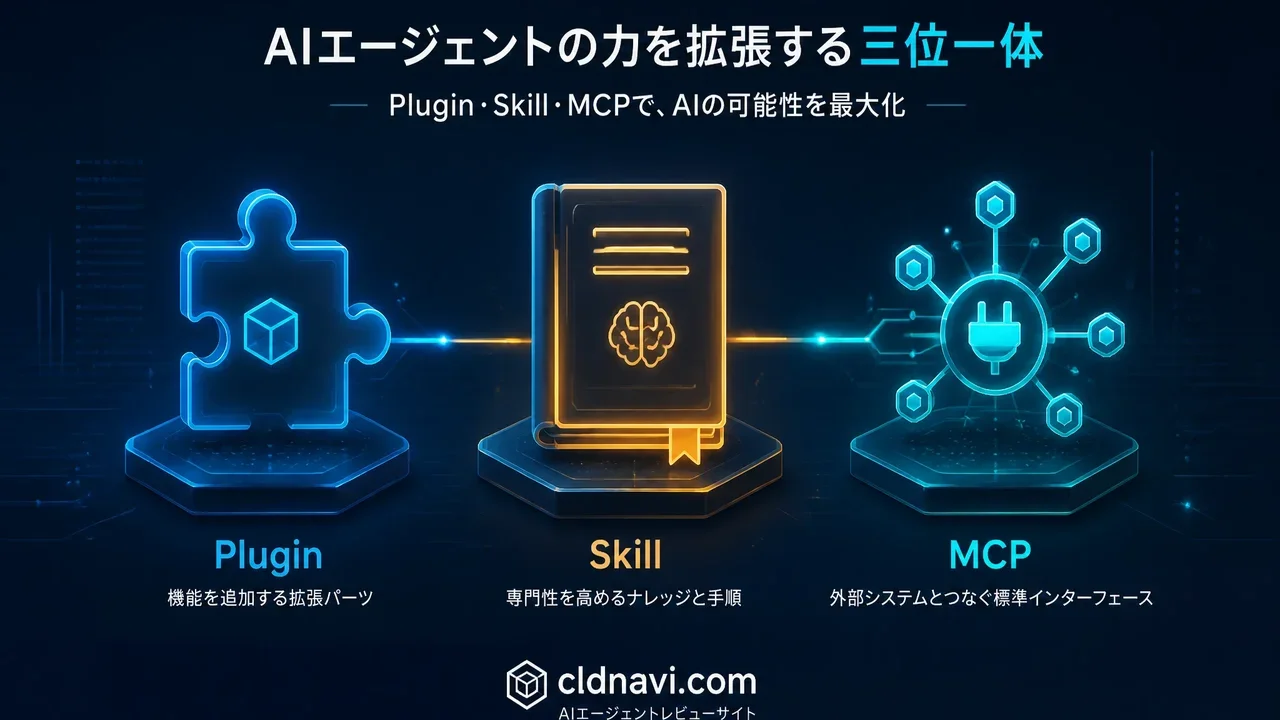
Hermes Agent Plugin vs Skill vs MCP: The Complete Guide to Knowing the Difference and When to Use Each (2026 Guide)
Jul 16, 2026
Blender MCP with Hermes Agent Complete Guide 2026: AI-Powered 3D Modeling for Beginners — Full Setup Walkthrough
Jul 14, 2026
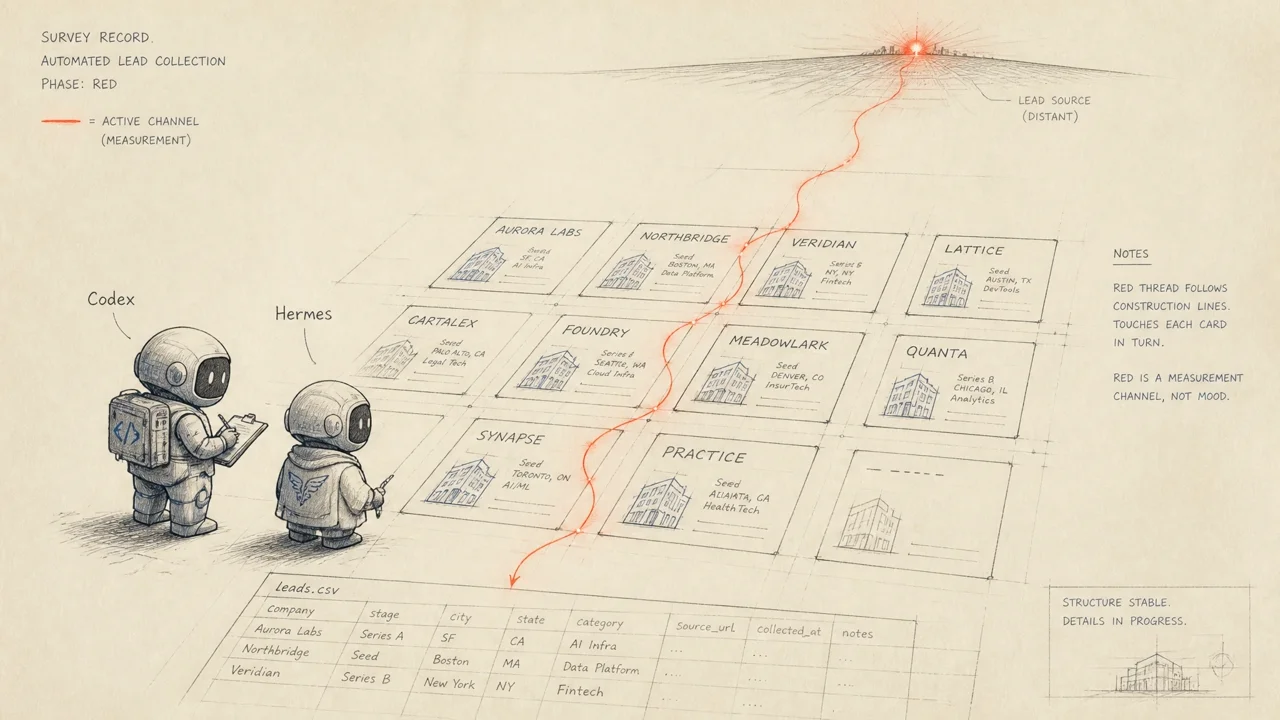
【2026】Automating Japanese Startup Lead Research with Codex CLI & Hermes Agent: The Complete Beginner Guide

Jul 30, 2026
Hermes Agent Voice Mode Complete Guide 2026: Hands-Free CLI, Telegram Voice Replies, and Discord Voice Chat