Summary
Many people hit this wall when trying to measure their brand visibility in AI search (ChatGPT, Gemini, Perplexity).
LLM Scraper Complete Guide: DataForSEO's Powerful API That Grabs ChatGPT's Actual Answers as JSON (2026 Guide)
"Want to grab ChatGPT's actual answers as clean JSON for your own projects, not scrape messy HTML pages?"
"I want to measure ChatGPT's answers accurately, but the official API doesn't match reality…"
Many people hit this wall when trying to measure their brand visibility in AI search (ChatGPT, Gemini, Perplexity).
Enter DataForSEO's LLM Scraper.
In short, it's a mechanism that extracts, as data, the ChatGPT answers users actually see on screen. For anyone who wants to accurately measure their visibility in AI search, this is a tool powerful enough to change how you work. In this article we explain:
- What LLM Scraper is (what's so great about it)
- Differences from the official API (with verified data)
- Differences from the Bing Search API
- How to measure brand visibility in AI search
- Concrete GEO (Generative Engine Optimization) measures
All explained in beginner-friendly terms.
Overview: LLM Scraper Flow (Diagram)
Let's see "how data arrives when you use LLM Scraper" in a diagram.
Key point: with the regular "official API," real-screen-specific info (maps, citations, internal search) is lost. LLM Scraper captures the actual screen as-is, so you get nearly the same answer users see, in JSON.
What Is LLM Scraper? What Can It Do?
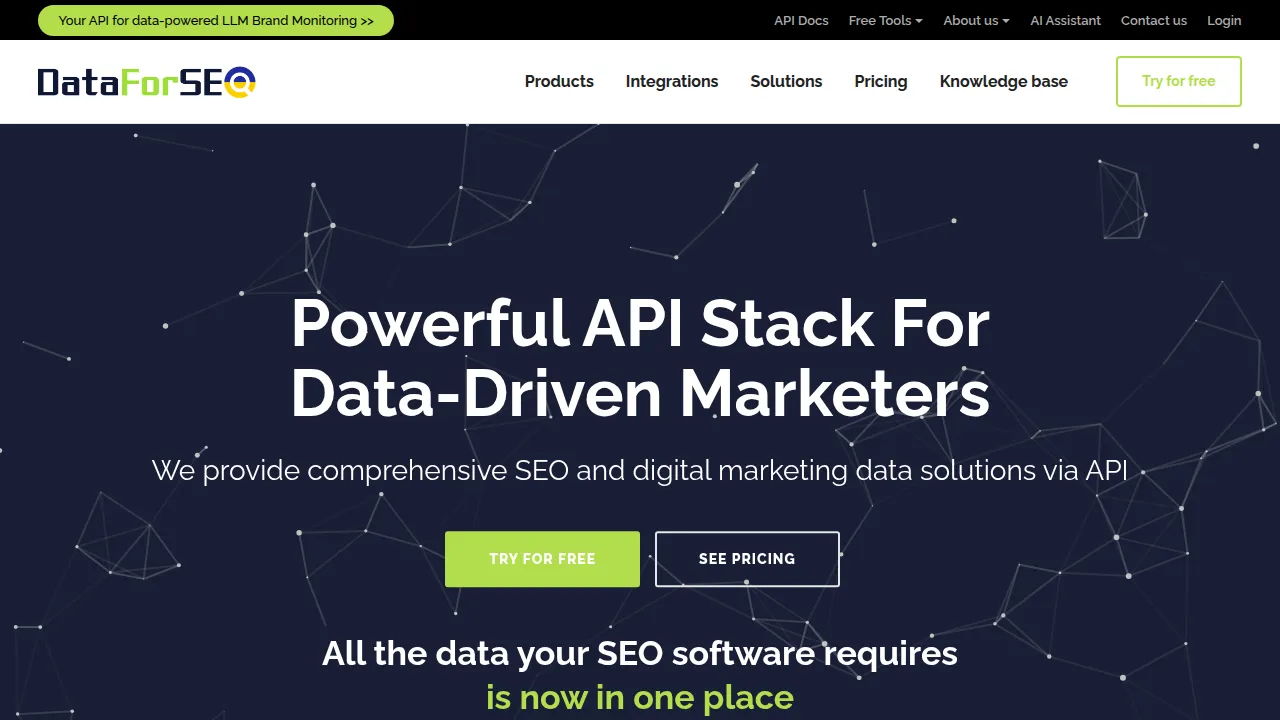
LLM Scraperis an API provided byDataForSEO, a veteran in the SEO data wholesale space.
What it does is simple — send a prompt to the ChatGPT web version (the screen users actually see) and return the answer as structured JSON.
Why This Matters
The answers from the official ChatGPT API (for developers)andthe ChatGPT you use in a browserarequite different.
The official API often drops these "real-screen-specific" details:
- How brands are mentioned
- Whether map cards appear
- Which citations appear
- What internal searches the AI performed (fan-out queries)
LLM Scraper sends the prompt directly to the real ChatGPT and grabs the answer exactly as it appears on screen.
Verified Data: Is It Really the Same as the Real Screen?
The poster's own verification (5 prompts × 10 comparisons each):
| Comparison | Similarity |
|---|---|
| Real screen vs LLM Scraper | 0.974 (nearly identical) |
| Real screen vs official API | 0.700 (quite different) |
If you measure LLMO only with the official API, it can deviate ~30% from reality — that's the shocking implication of this tool.
What You Can Get with LLM Scraper
Without scraping yourself, one API call gives you all of this:
- Answer text (full text, split into paragraphs, lists, headings, etc.)
- Citation URLs
- Map cards (Google Business Profile, etc.)
- Search queries the AI ran in the background (fan-out queries)
- Model information
- Tables, product cards, images (and recently ads too)
All returned as structured JSON, making measurement and analysis dramatically easier.
Differences from the Bing Search API (Common Question)
"What's the difference from the Bing Search API?" — a common question, so let's summarize.
1. Fundamentally Different Purpose and Target
| Item | Bing Search API | LLM Scraper |
|---|---|---|
| What it gets | Traditional web search results (SERP) | Actual AI answers from ChatGPT/Gemini |
| Use case | "Which pages hit for this keyword?" | "How does the AI answer this prompt?" |
| Output | Link lists, snippets, ads | Full answer + citations + tables + product cards |
The Bing Search API (official version ended in 2025) tells you "which pages were candidates"but not"how the AI actually mentions you."
LLM Scraper measures exactly that "final form the AI shows users."
2. Output Differences
Bing Search API:
- Organic results, ads, related searches, knowledge panels — traditional SERP elements
- Raw web page links and snippets
LLM Scraper:
- Full AI answer text (Markdown split)
- Citation URLs + context
- Tables, product cards, maps, image galleries, ads
- Brand entity extraction
- Internal search queries the AI used (fan-out queries)
- Model information
3. Price Differences (reference)
| Tool | Price (per request) |
|---|---|
| LLM Scraper (Live mode) | $0.004 (~within 90 seconds) |
| LLM Scraper (Standard mode) | $0.0012+ (even cheaper) |
| Bing alternative SERP API | ~$0.60 / 1,000 requests |
LLM Scraper is quite cheap.
Summary: Which Should You Use?
- Traditional SEO and rank tracking → Bing SERP API (or DataForSEO alternatives)
- Brand/content visibility measurement in AI search (ChatGPT, etc.)→LLM Scraper
Many people combine both (find candidate pages with Bing, then check how the AI processed them with LLM Scraper).
How to Measure Brand Visibility in AI Search
Step 1: Define target prompts
Start with prompts users actually type for your brand/category:
- "best [category] for [use case]"
- "recommend [product type]"
- "[brand name] vs [competitor]"
- "how to [solve problem]"
Step 2: Collect data with LLM Scraper
- Where the brand appears (in the answer text, in citations, in tables)
- How it's mentioned (recommended? neutral? negative?)
- What competitors are mentioned more
- Which sources are cited
Step 3: Analyze GEO (Generative Engine Optimization)
Key metrics:
| Metric | Meaning |
|---|---|
| Visibility rate | % of prompts where the brand appears in AI answers |
| Citation rate | % where the brand's site is a citation source |
| Mention quality | Recommended vs neutral vs negative |
| Competitor comparison | Who appears more and how |
Concrete GEO Measures
1. Structuring content (the most effective)
- Add comparison tables, lists, and FAQ to existing articles
- Implement Schema.org structured data (FAQPage, Product, HowTo, etc.)
- Use clear headings with keywords and questions
2. Strengthening E-E-A-T
- Author pages (credentials, experience)
- Regular updates (freshness signals)
- Citations from trusted external sources
3. Leveraging multiple sources
- Increase mentions across diverse platforms (X, Reddit, YouTube, blogs)
- AI search often trusts multiple independent sources
Expected timeline
- Structure existing content (comparison tables, FAQ, schema) → 1–2 weeks
- New content creation (comparison articles, guides) → 1–4 weeks
- E-E-A-T strengthening (author pages, updates) → ongoing
- External visibility → medium/long term
The Algorithm Structure of AI Search (RAG)
AI search is a hybrid of "traditional search engine + LLM," called RAG (Retrieval-Augmented Generation).
Processing Flow
- Query understanding: analyze the user's input (intent, context, needed information)
- Retrieval: run web search
- ChatGPT: mainly Bing Search API + own crawler (ChatGPT-User)
- Perplexity: real-time search focused
- Google AI Overview: Google search + own index
- Auto-generates multiple sub-queries (fan-out queries) internally to dig deeper
- Ranking/filtering: score by relevance, trust, freshness, authority (E-E-A-T)
- Generation: the LLM summarizes and synthesizes from retrieved info, adds citations, dynamically inserts tables, lists, images
- Post-processing/safety: hallucination suppression, policy-violation filters
Here's a diagram of this flow:
Platform Characteristics
| Platform | Character |
|---|---|
| ChatGPT Search | Bing-centric. Highly conversational. Citations recently strengthened |
| Perplexity | Search-native. High citation transparency |
| Google AI Overview | Google's giant index. Strong on freshness and local |
| Gemini | Google search integrated. Multimodal |
| Claude | Tool calls when searching. Careful, long-answer oriented |
GEO Points to Keep in Mind
- Easy to retrieve: clear entities, structured data, fresh content
- Rank higher: E-E-A-T, user satisfaction signals, mentions across diverse sources
- Preferred in generation: lists, comparison tables, step formats, contradiction-free fact-based content
Pricing and How to Start
LLM Scraper comes in ChatGPT and Gemini versions.
| Mode | Price (per request) | Notes |
|---|---|---|
| Live mode | $0.004 | Answer retrieved within ~90 seconds |
| Standard mode | $0.0012+ | Even cheaper |
Docs are well maintained, and many SEO/LLMO tool developers use it.
How to start:
- Create a DataForSEO account
- Check the API docs (LLM Scraper related)
- Run a test (free credits available)
Questions Readers Ask
Q1. Can LLM Scraper really grab real-screen answers?
Yes, it really can. It's an officially provided DataForSEO service with published docs and pricing. Verification recorded 0.974 similarity to the real screen.
Q2. What's the difference from the official ChatGPT API?
The official API gives "processed answers for developers," dropping map cards, citations, and internal search queries. LLM Scraper grabs "the screen users actually see" as-is, with a similarity of 0.974 — overwhelmingly closer to reality.
Q3. Is it a replacement for the Bing Search API?
No. The purposes differ. Bing gives "lists of search result links"; LLM Scraper gives "the AI's final answer." For traditional SEO use a Bing alternative; for AI search measurement use LLM Scraper.
Q4. Can individuals do LLMO/GEO measures?
Yes. Start by adding "comparison tables, lists, FAQ" to existing articles and implementing Schema.org structured data. Measurement can start cheaply with DataForSEO LLM Scraper.
Q5. Is the AI search algorithm a black box?
The basic structure (RAG) is public, but detailed weighting is private. Still, keeping "structure, E-E-A-T, freshness, diverse mentions" in mind gives you direction.
Summary
LLM Scraperis DataForSEO's powerful API thatextracts ChatGPT's actual answers as data. A tool that significantly advances AI search measurement.
- Real-screen similarity 0.974 (official API: 0.700)
- Structured capture of citations, fan-out queries, model info
- Cheap at $0.0012–$0.004 per request
- Different purpose from Bing Search API: "search results" vs "AI answers"
If you're serious about measuring your AI-search visibility, using LLM Scraper together with GEO measures (structure, E-E-A-T, freshness) is the 2026 standard.
We'll keep publishing more LLMO/GEO articles on cldnavi.com. Let's build AI-search-strong sites together.
Recommended Reading
- OpenRouter MCP Server Complete Guide: Cutting Coding Agent Inference Costs 24×
- Hermes Agent Complete Guide
- Claude Code Loops Complete Guide
- Claude Fable 5 Financial Guide
- Cloudflare Monetization Gateway Complete Guide
- A Fable of Codexes Complete Guide
- GPT-Live Complete Guide
- Using component.gallery to Dramatically Improve AI UI Generation
Share this article
Related articles
Aug 12, 2026
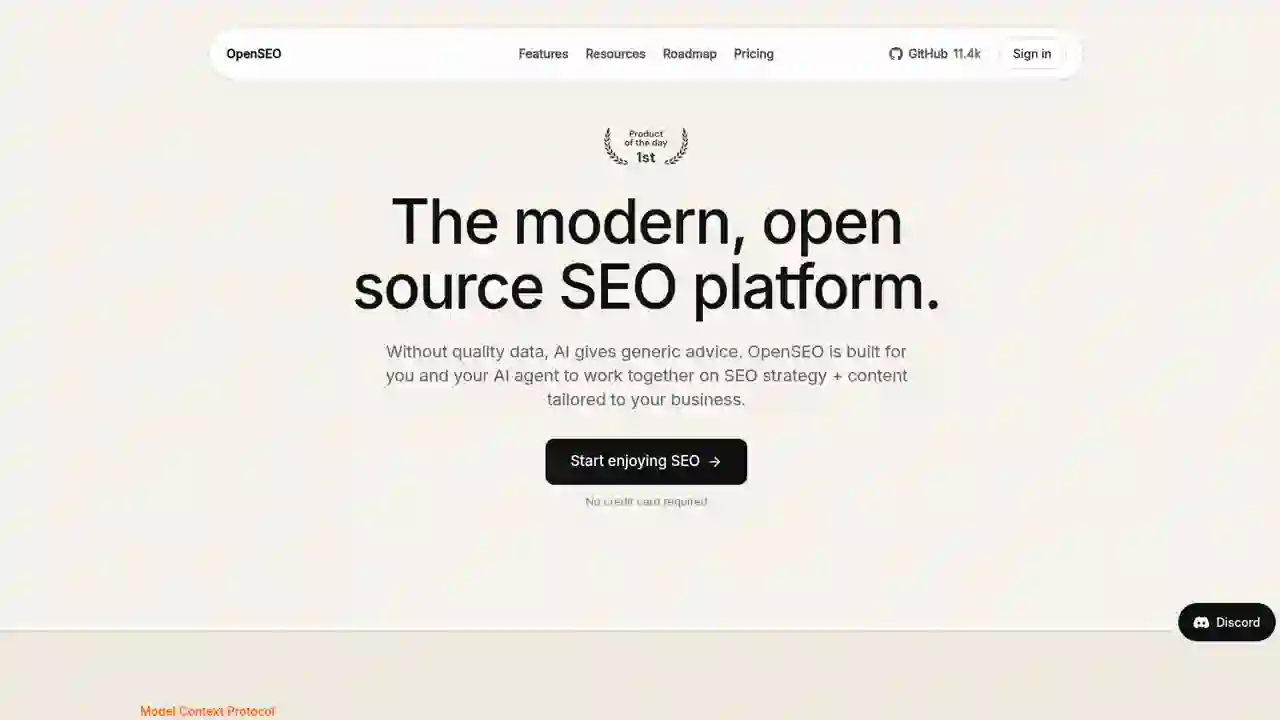
OpenSEO Complete Guide 2026: How to Use the Open-Source Alternative to Semrush and Ahrefs, Plus DataForSEO Integration

Jun 15, 2026
ChatGPT vs Claude vs Gemini 2026: Ultimate Comparison! From Free to Paid — Complete Guide
Aug 10, 2026
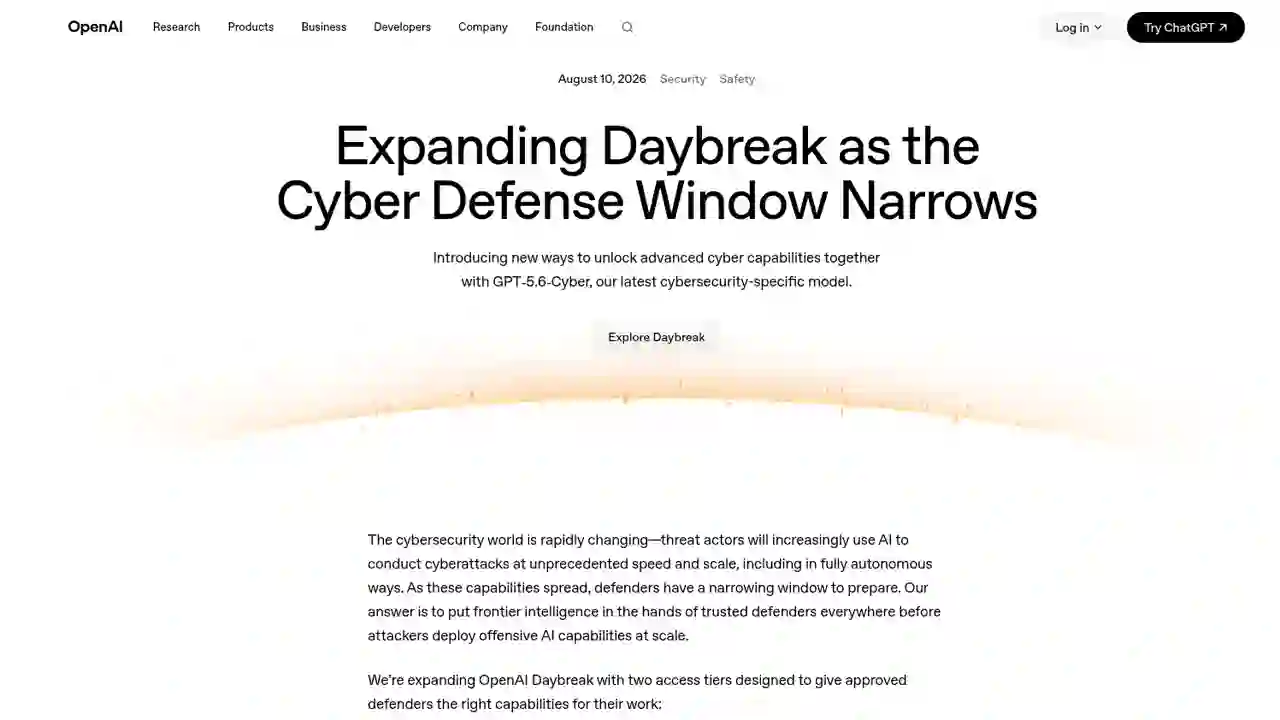
Complete Guide: OpenAI GPT-5.6-Cyber in 2026 — The Cybersecurity Model That Finds Zero-Day Vulnerabilities, Plus How to Apply
Sep 7, 2026
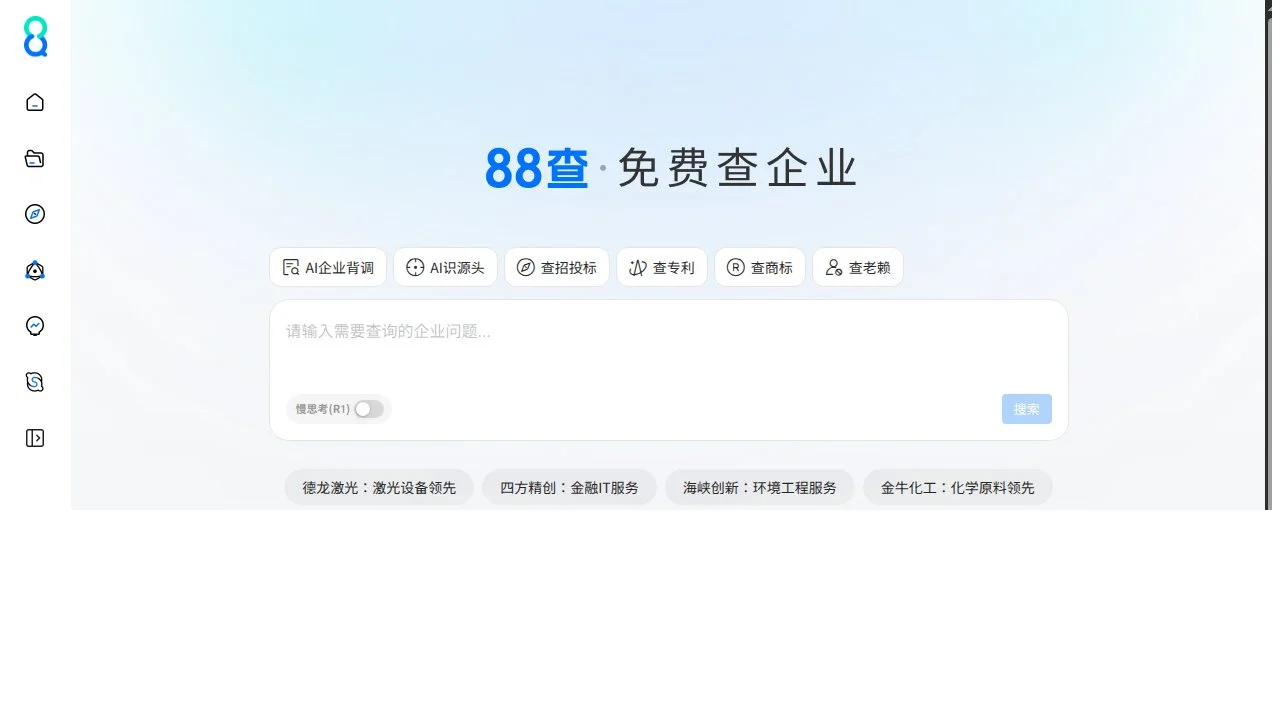
88cha (88查): Alibaba's Free AI Tool for Checking Chinese Companies (2026 Guide)
Jul 7, 2026
Cloudflare Monetization Gateway Complete Guide 2026: How to Charge Per-Use for Web Pages, APIs, and MCP Tools
Aug 17, 2026
Android Remote Control MCP Guide 2026: Let an AI Tap, Type, and Manage Files on Your Phone